CEM UK Team · 3 min read
For many of us, worship means the part of the service with music. The songs are a precious part of church life. But Scripture uses the word for something far larger: the whole of a life turned towards God.
Worship is what happens when we see who God is. When Isaiah saw the Lord high and lifted up, he did not reach for a song sheet. He fell on his face, was cleansed, and then said, "Here am I; send me" (Isaiah 6:8).
We do not worship to get God's attention. We worship because we already have it. That is why the psalmist can say, "Enter into his gates with thanksgiving, and into his courts with praise" (Psalm 100:4), before any request is made.
Jesus told the woman at the well that "the true worshippers shall worship the Father in spirit and in truth" (John 4:23). Both halves matter.
Worship in spirit comes from the heart and is alive to the Holy Spirit, not a routine we go through. Worship in truth is shaped by who God really is in His Word, not by how we happen to feel that morning. Truth without spirit goes cold. Spirit without truth drifts. Together they make worship that pleases God.
Paul urges us to "present your bodies a living sacrifice", calling it our "reasonable service" (Romans 12:1). That includes Monday to Saturday:
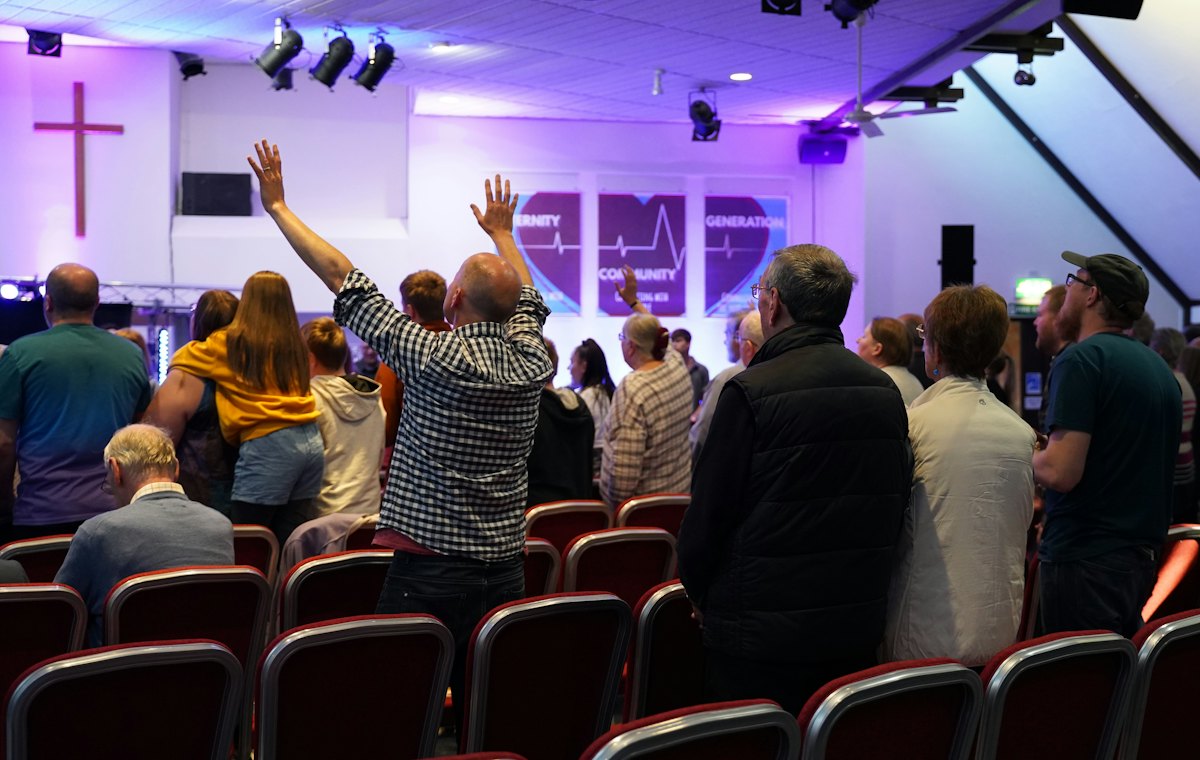
When we have worshipped through the week, Sunday becomes a family gathering rather than a performance to watch. Arrive a few minutes early. Pray for those leading. Sing even if you do not think you can. The musicians lead us, but every voice in the room belongs in the song.
We have written more about this in Work as Worship, Monday to Friday.
"May your whole life become a song of praise to God, on Sunday and on every day in between."